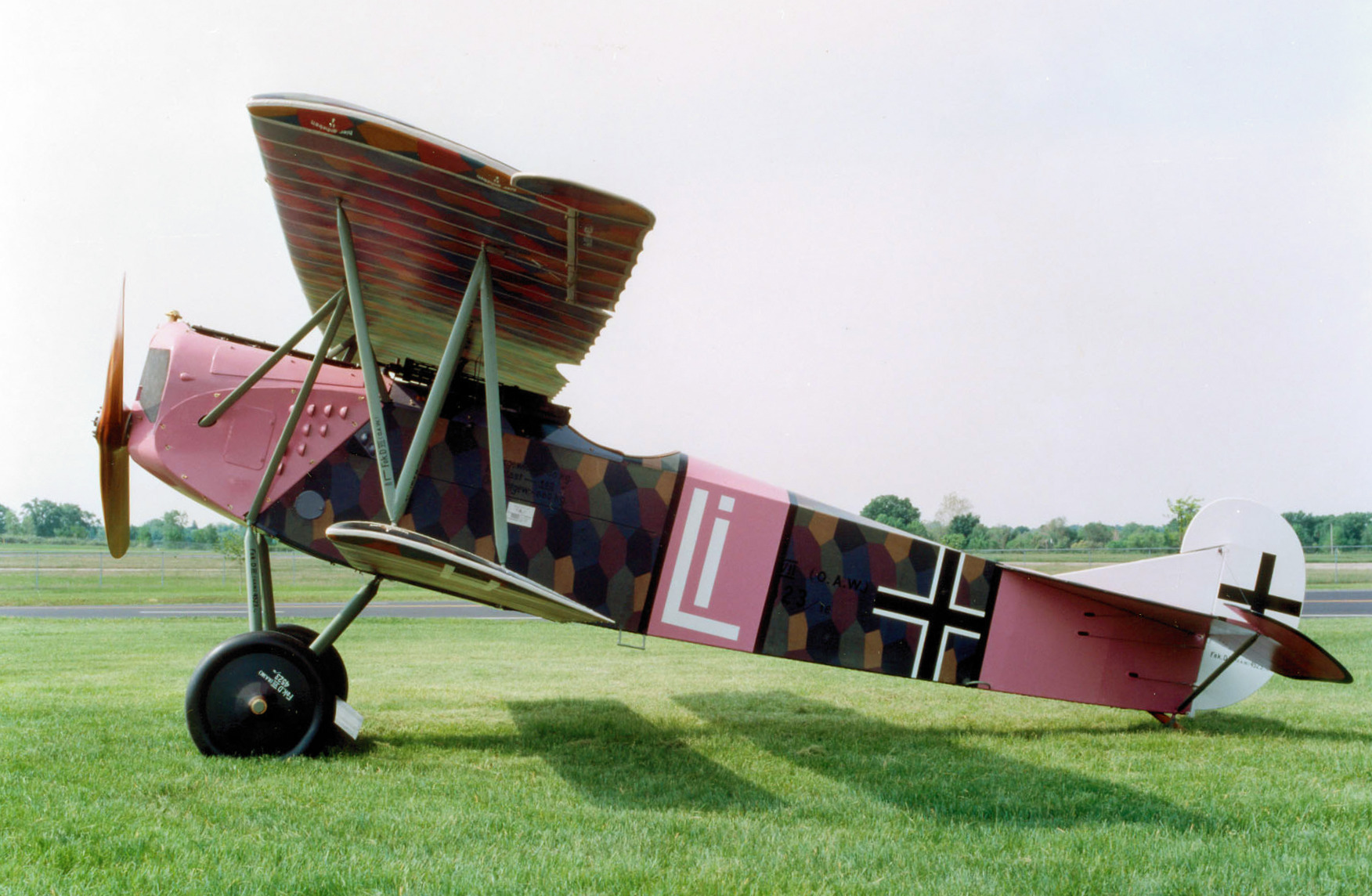
Inspired by the Fokker D.VII
The Fokker D.VII is one of the defining aircraft of World War I, known for its strength, clean lines, and exceptional performance.
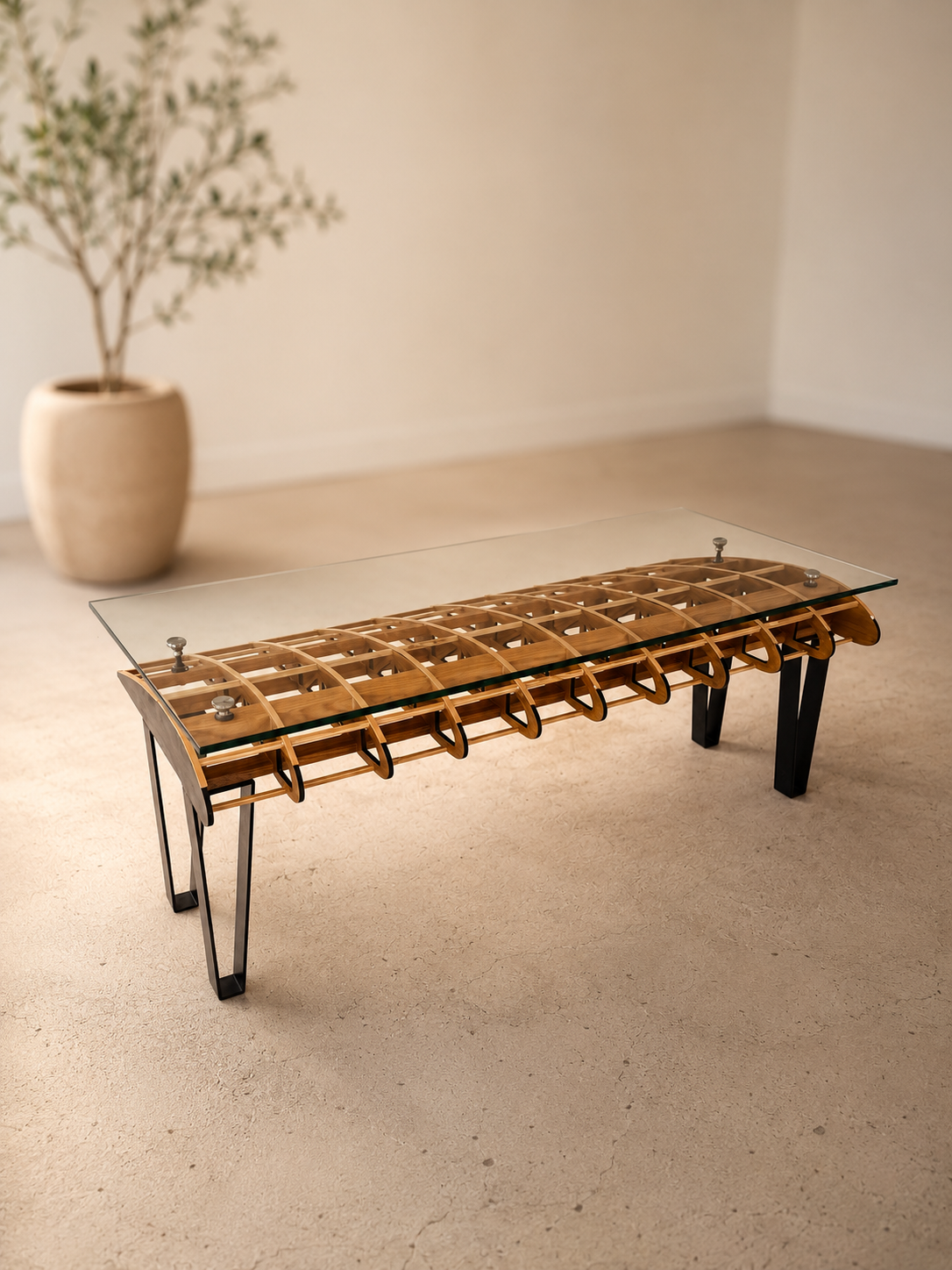
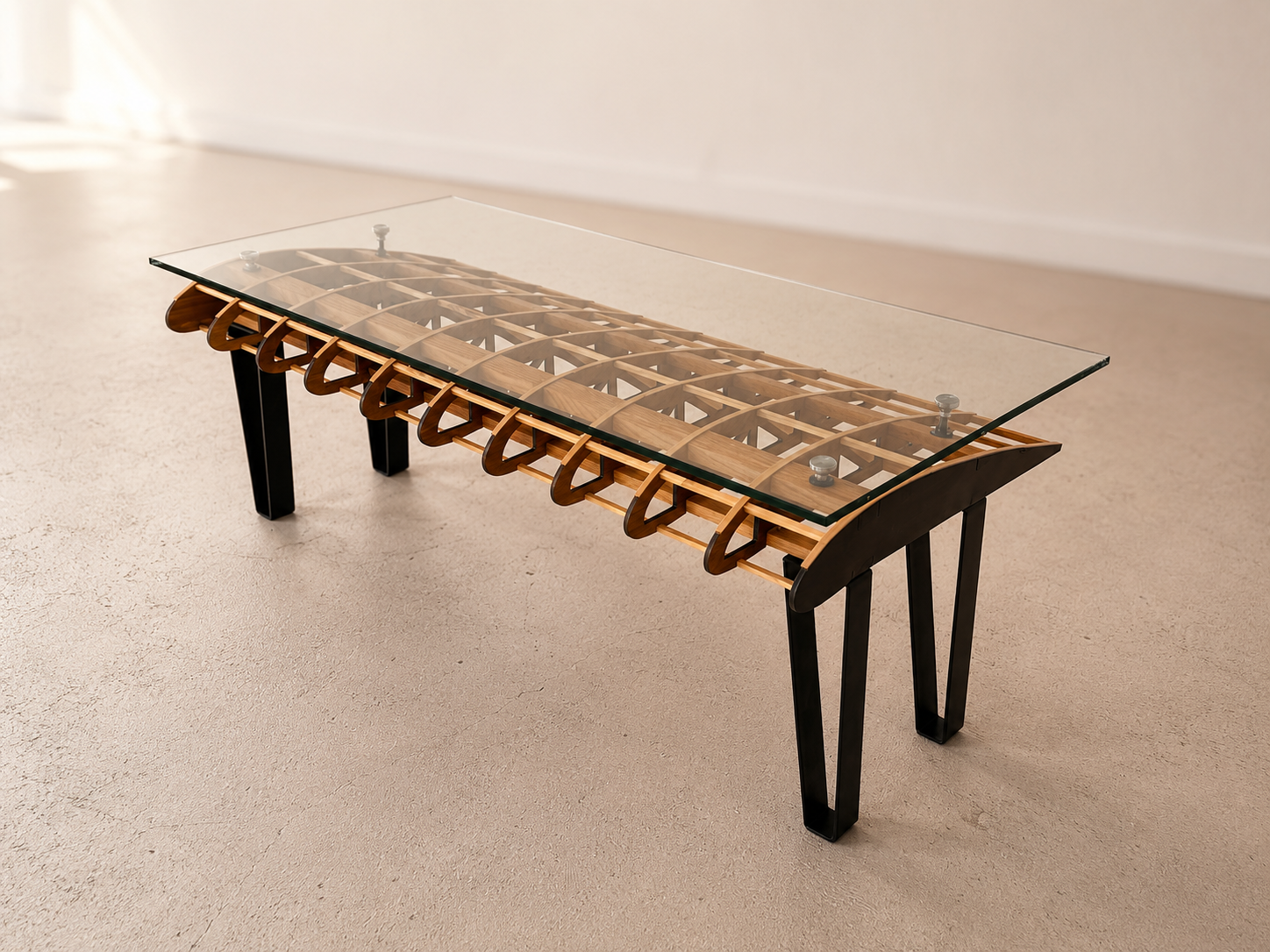
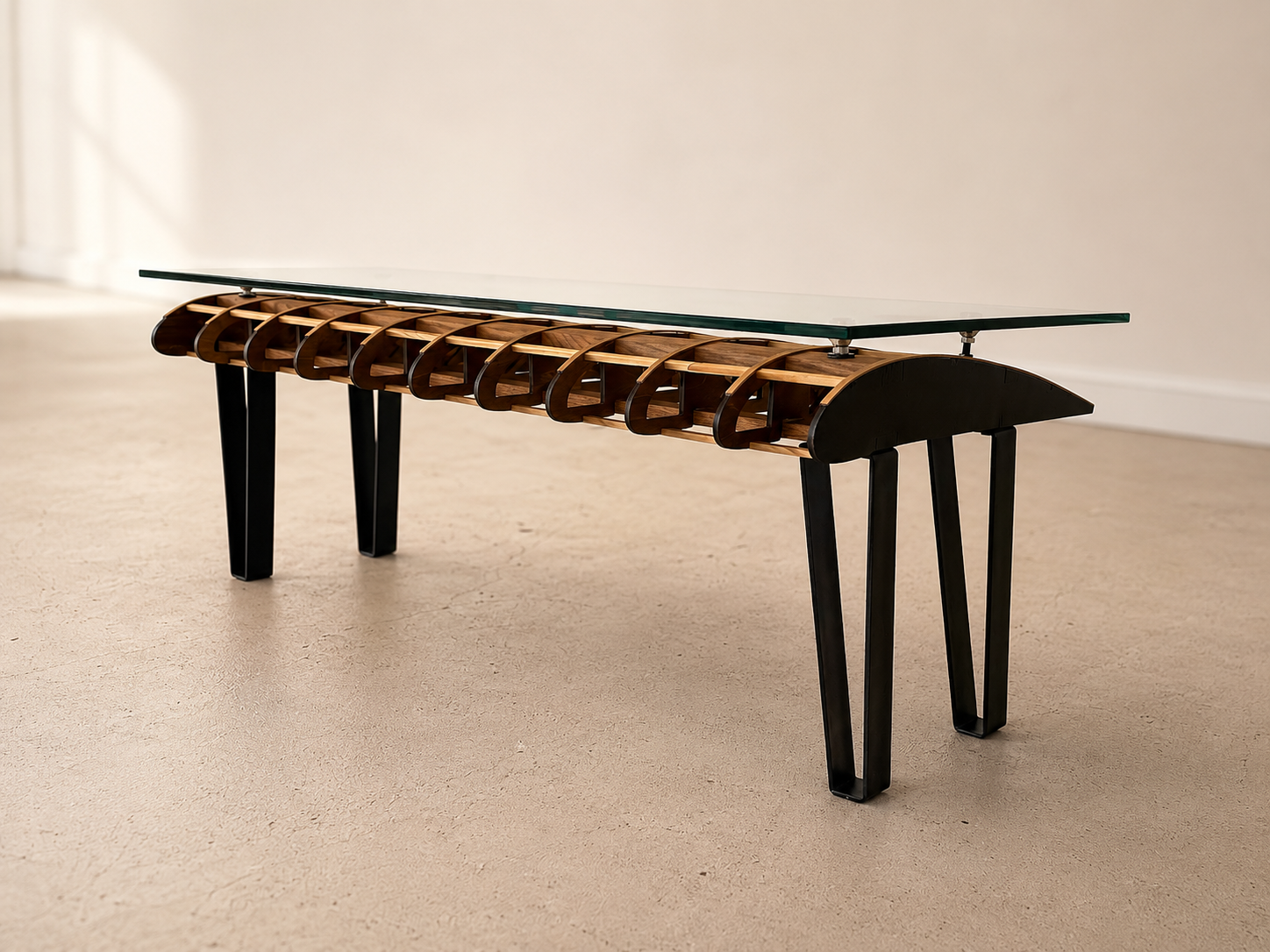
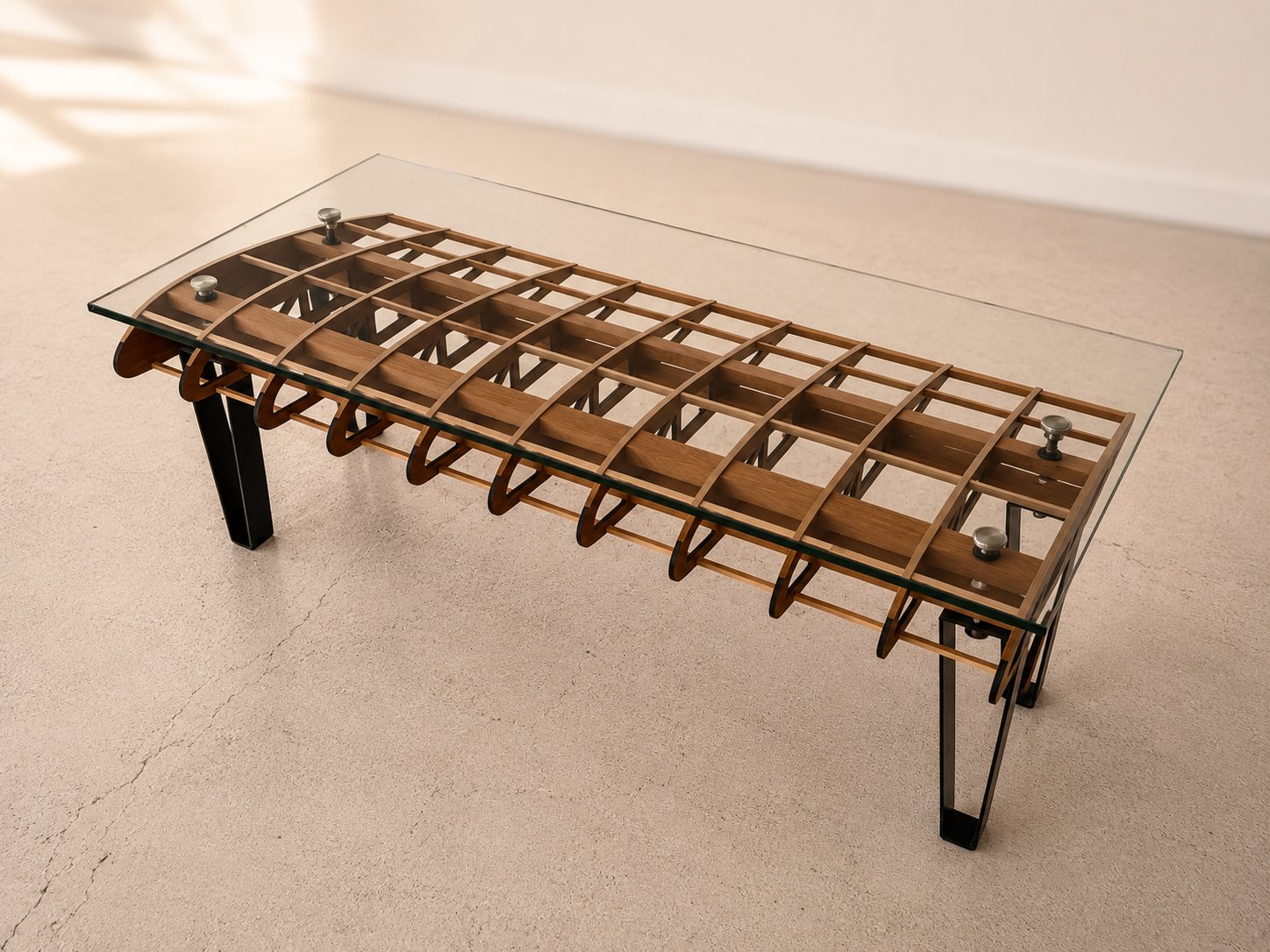
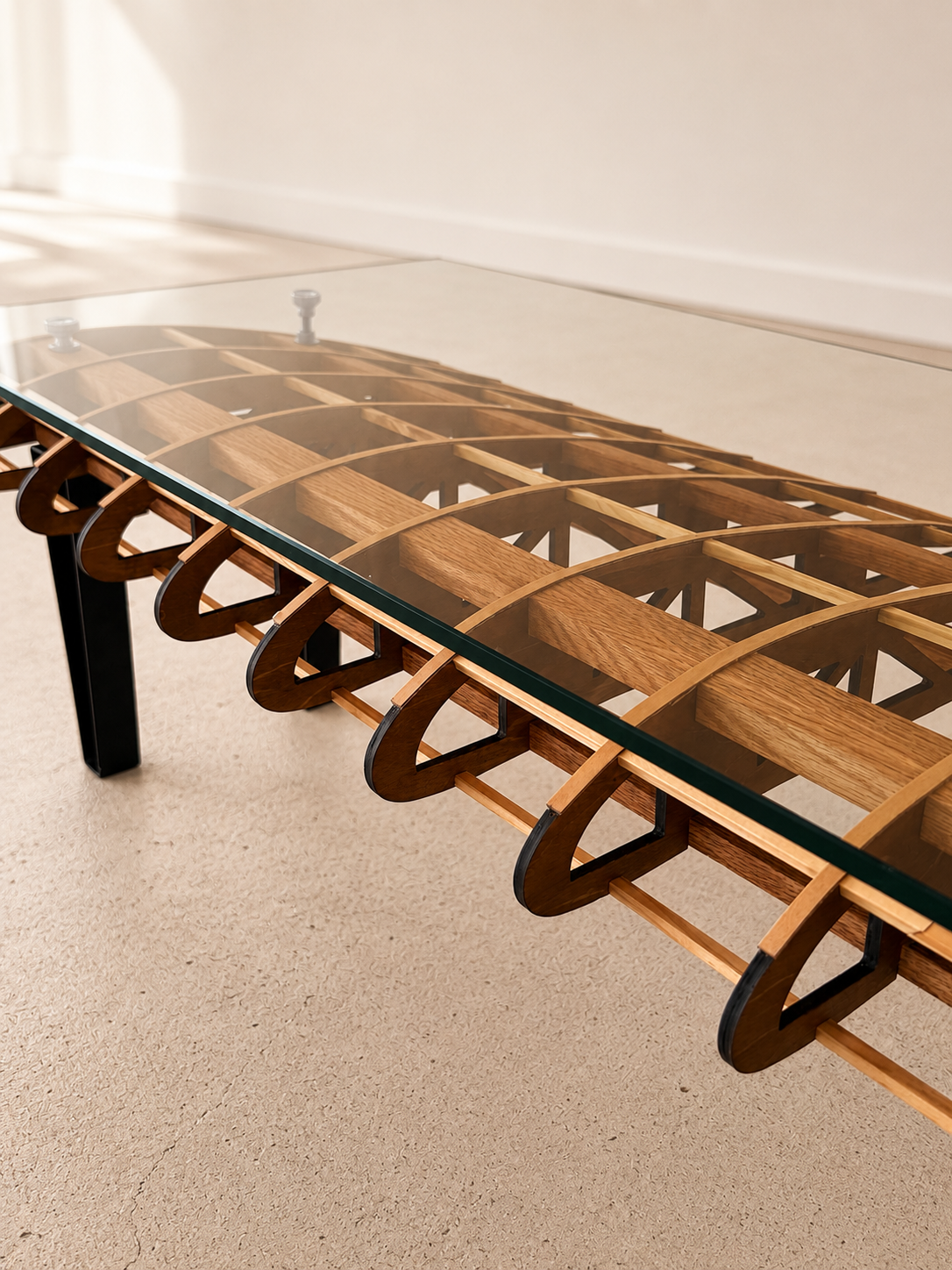
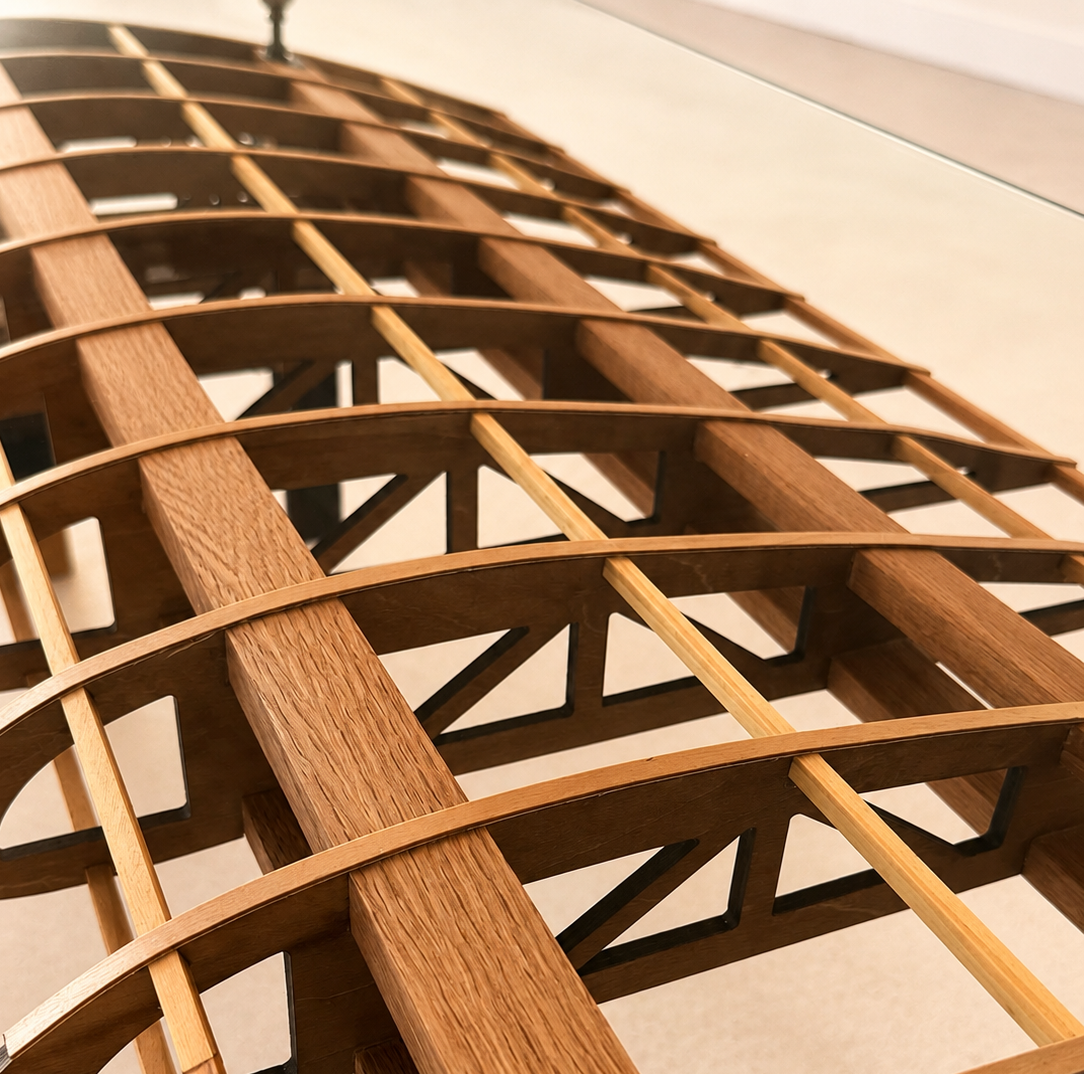
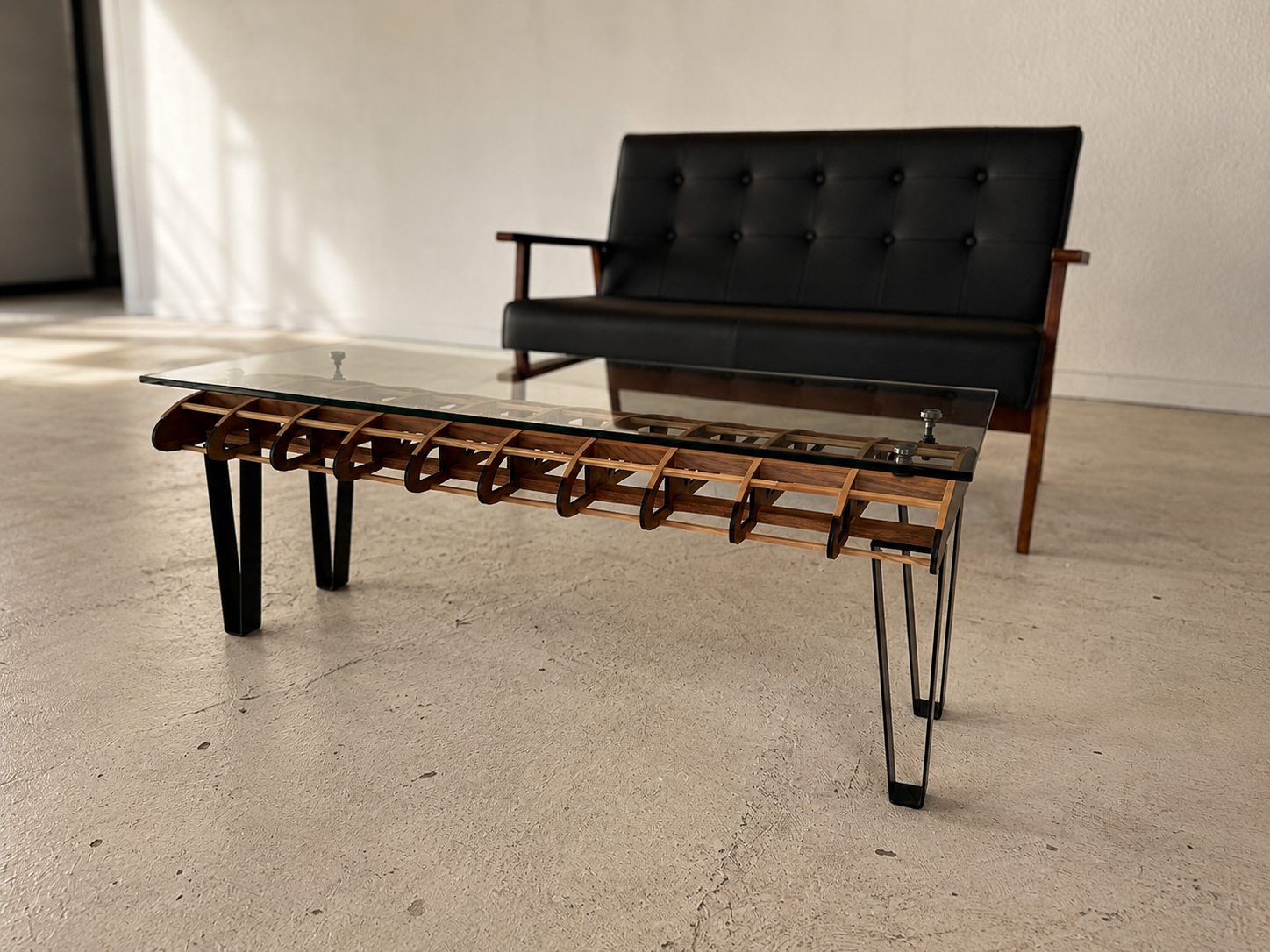
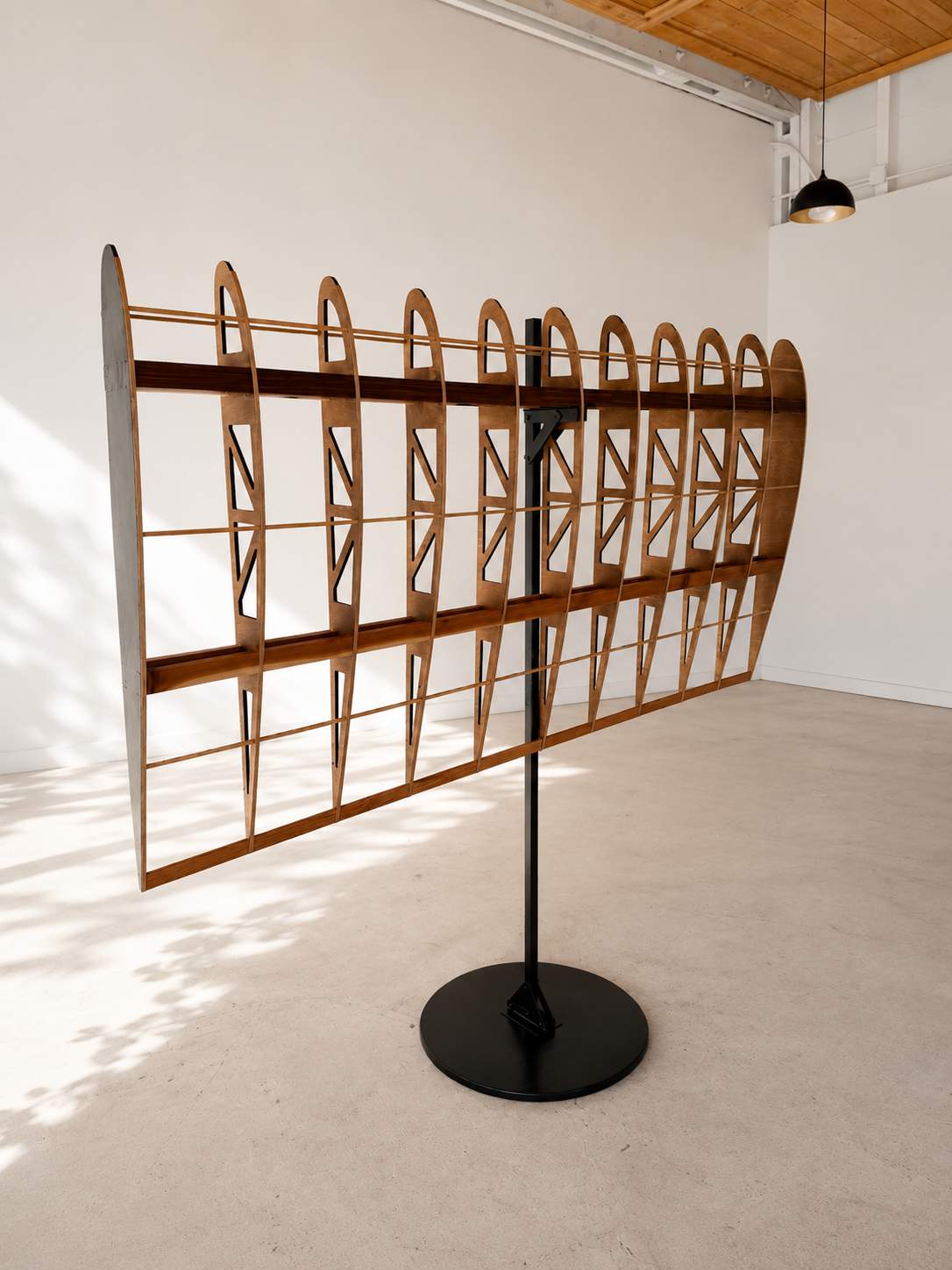
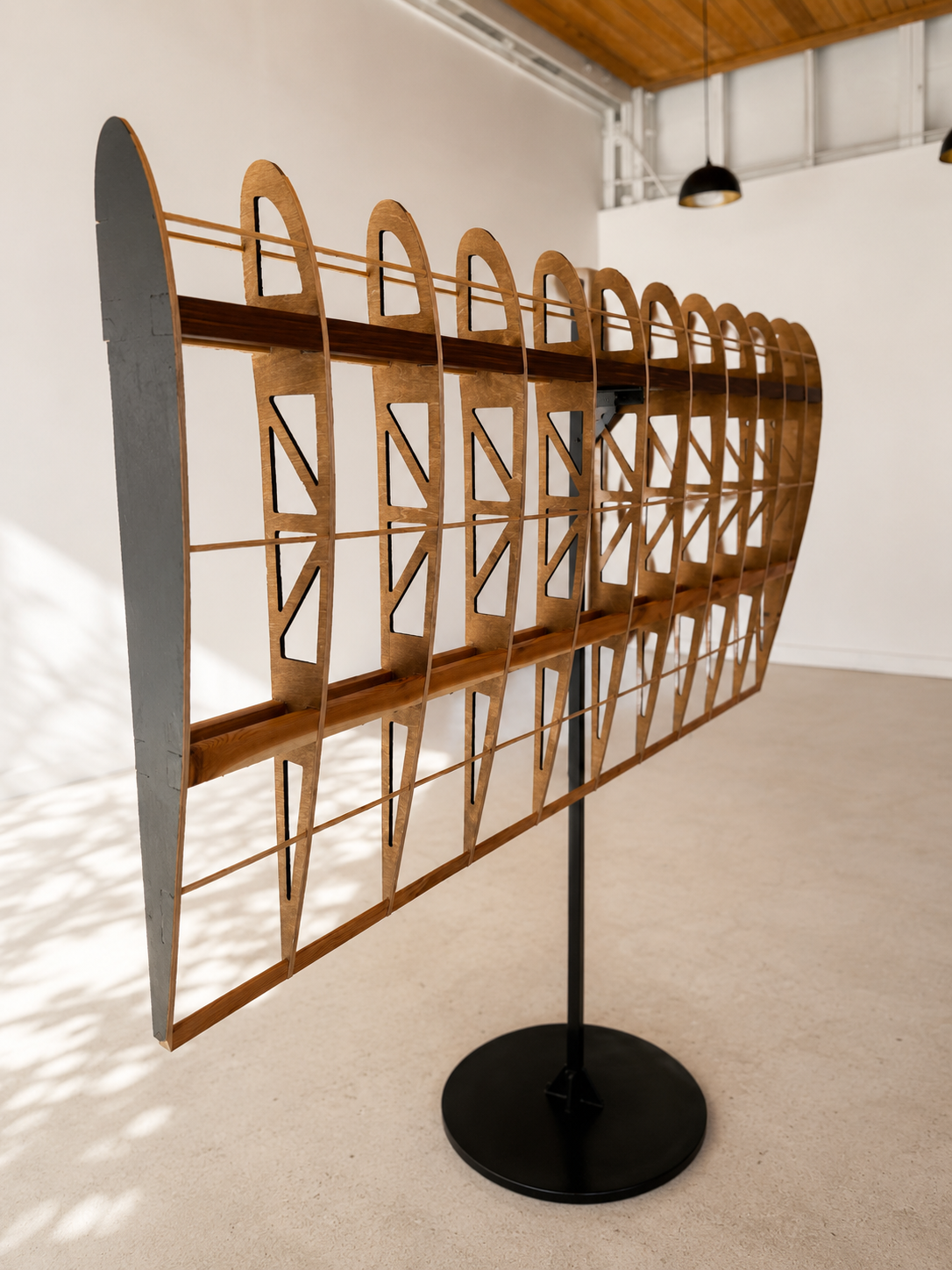
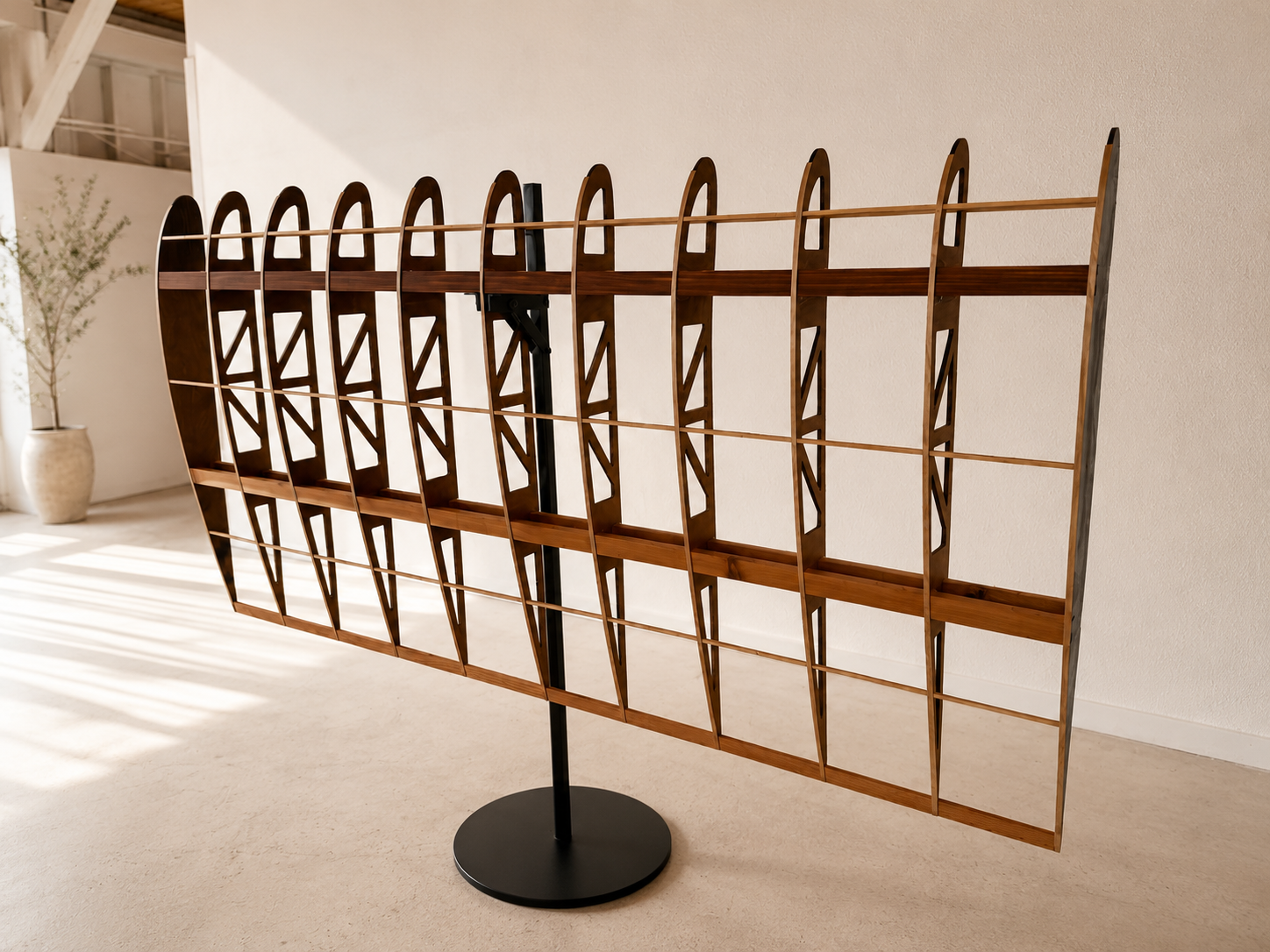
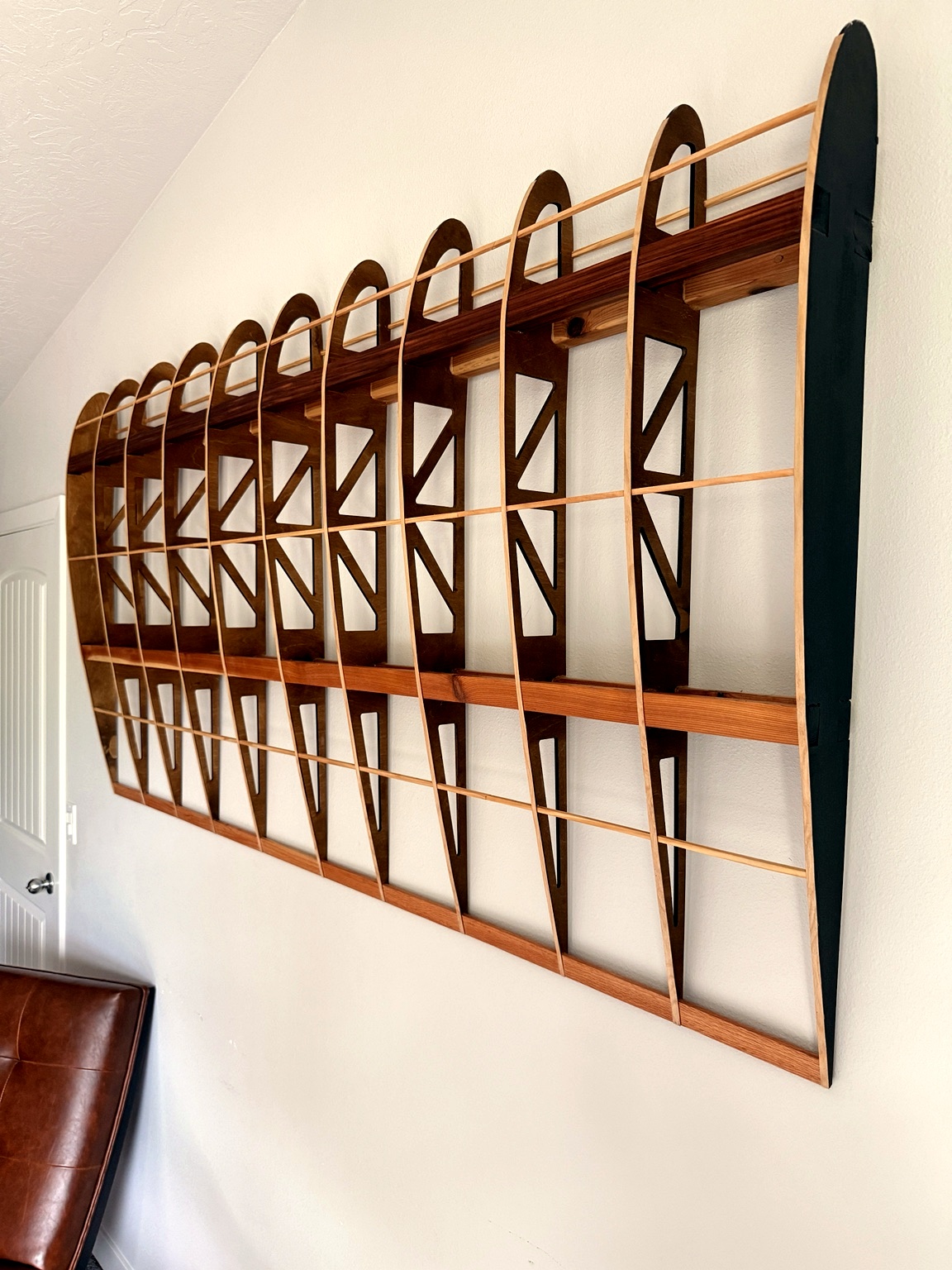
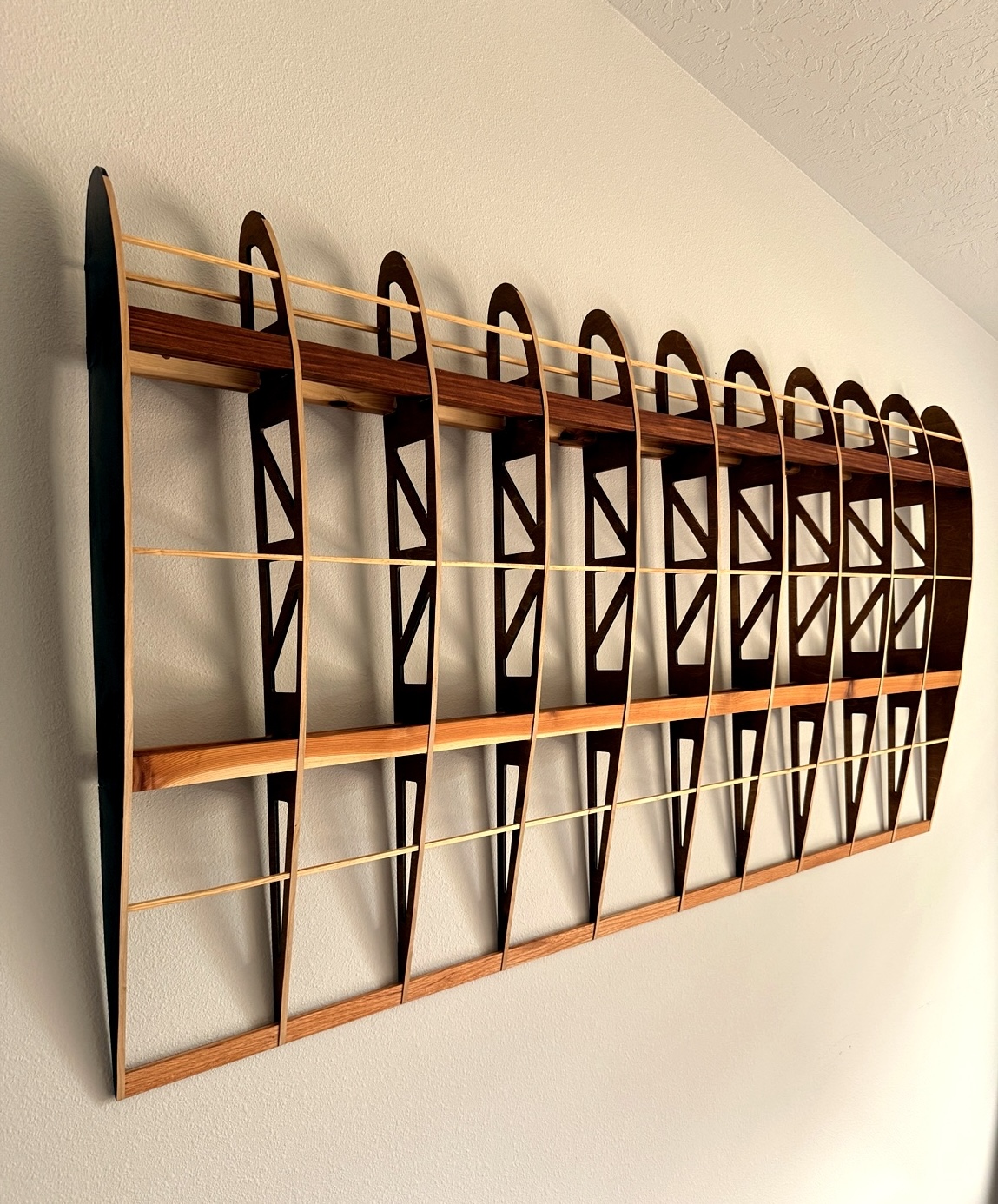
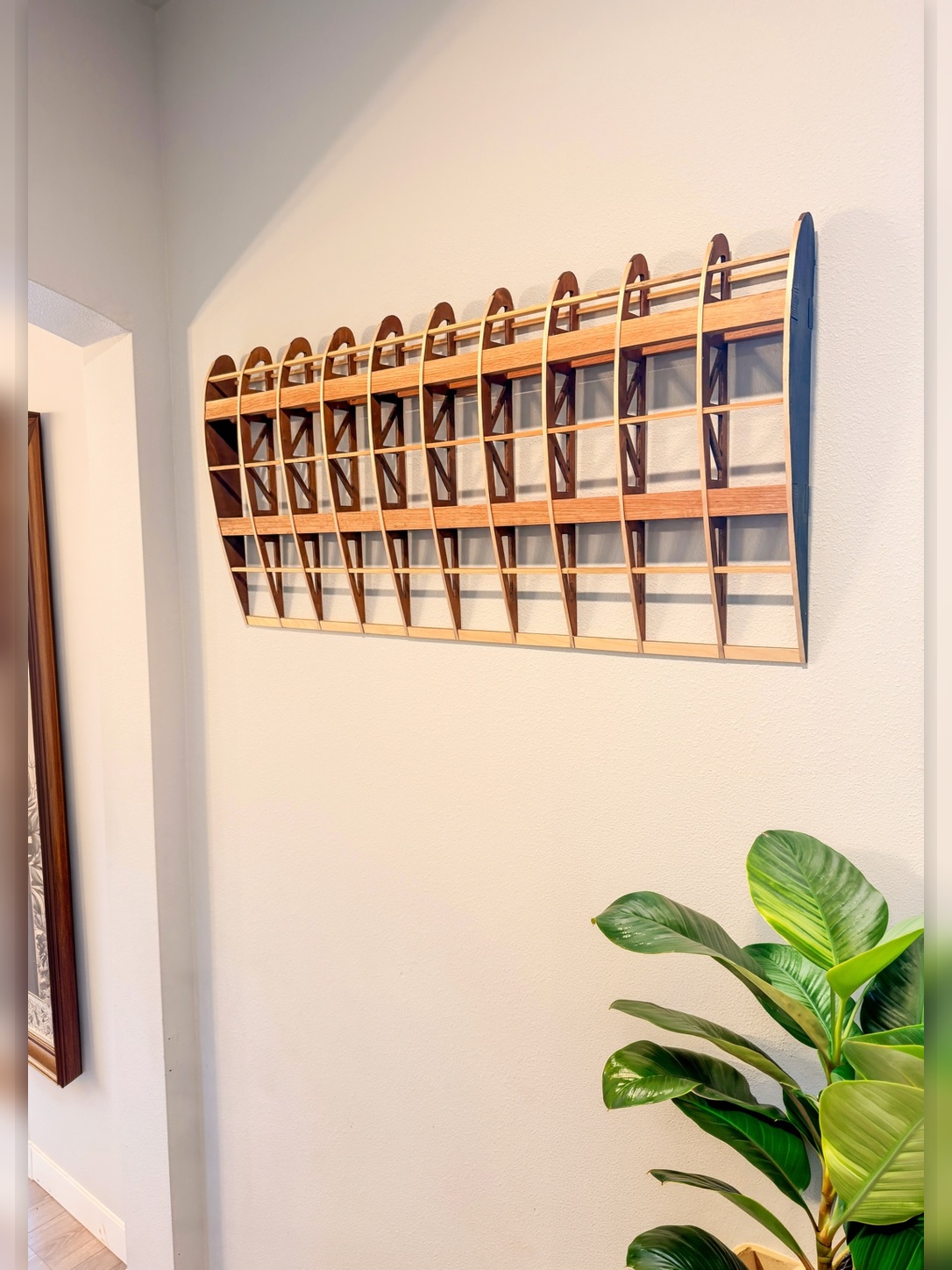
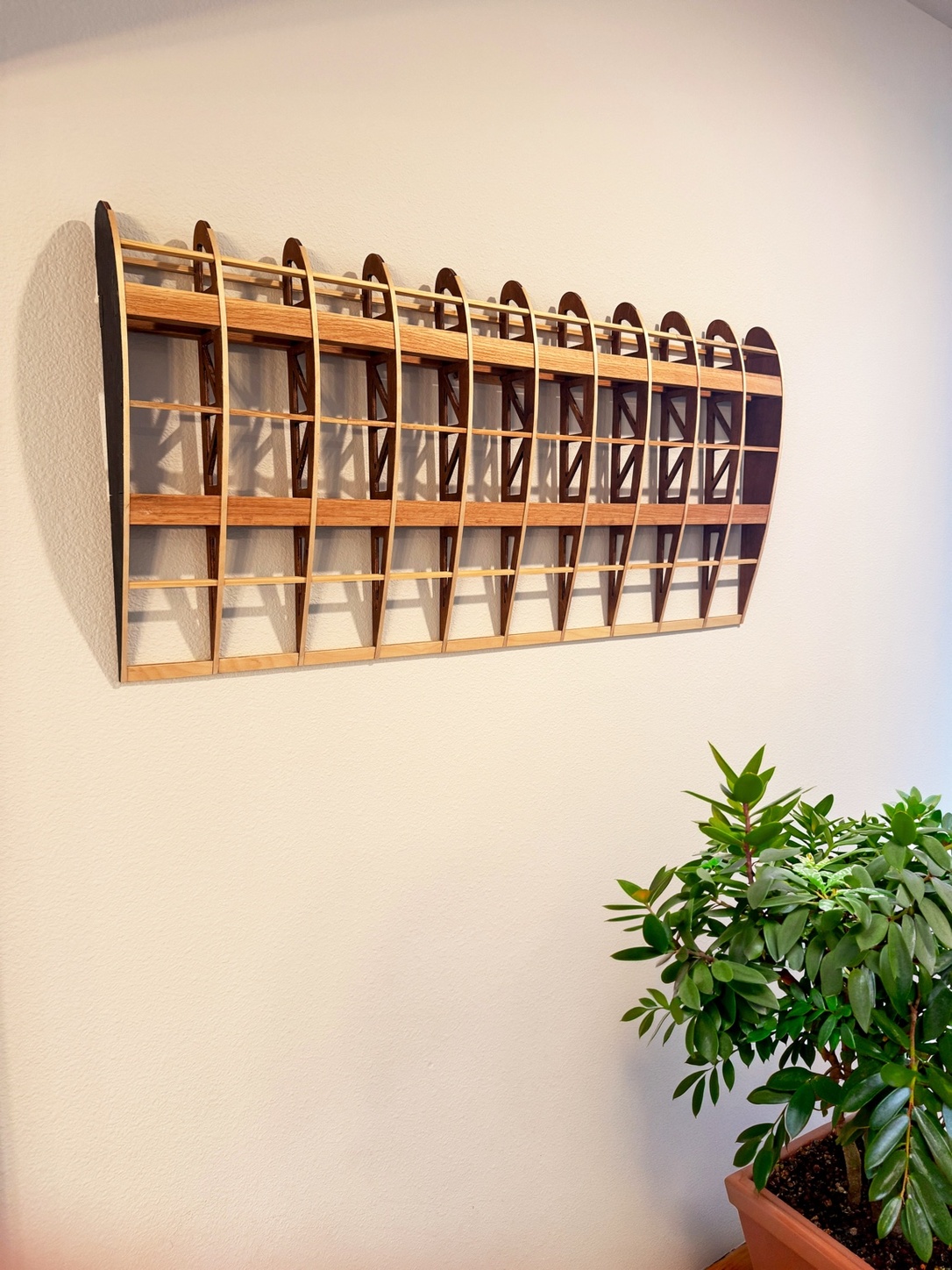
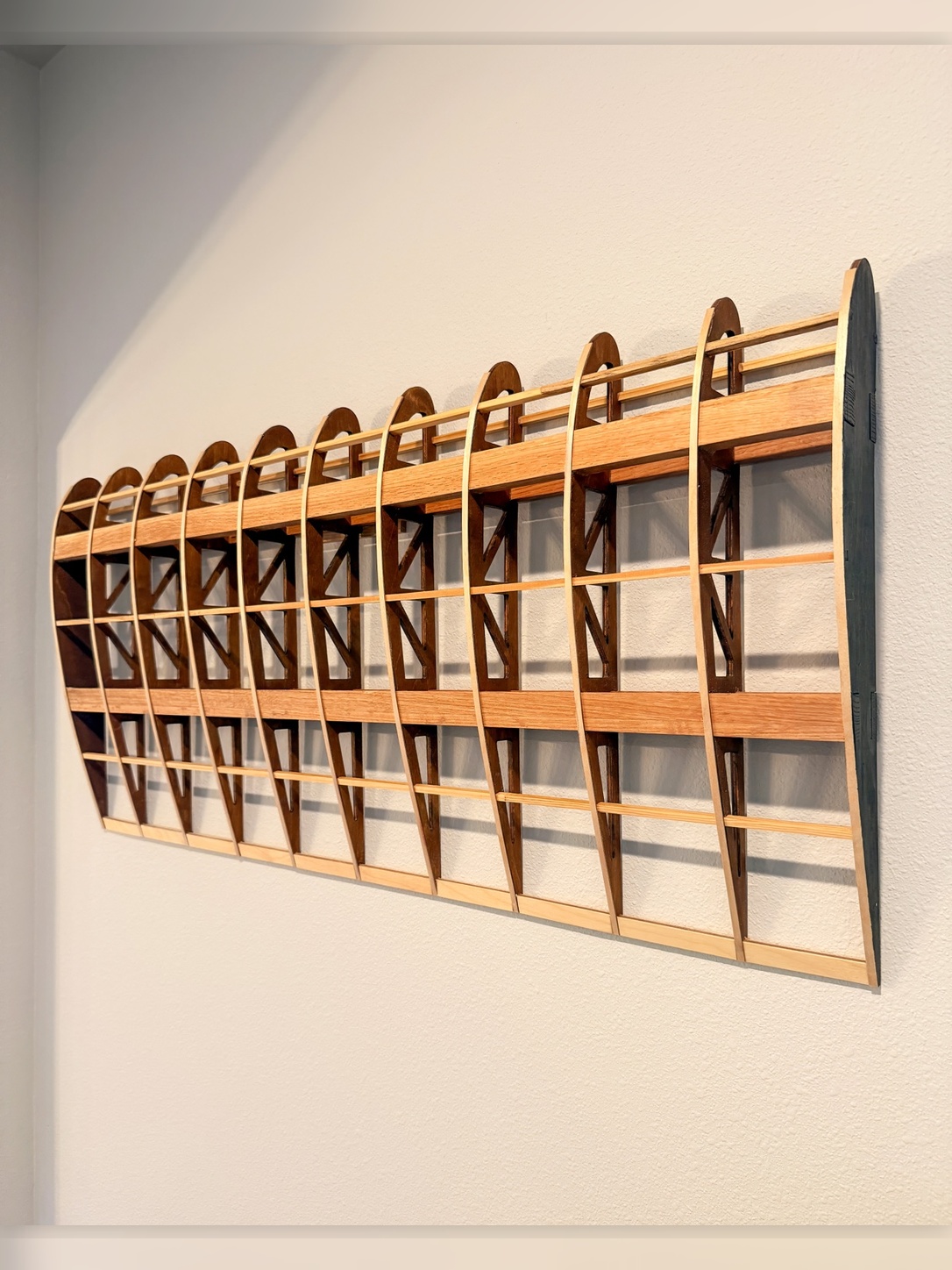
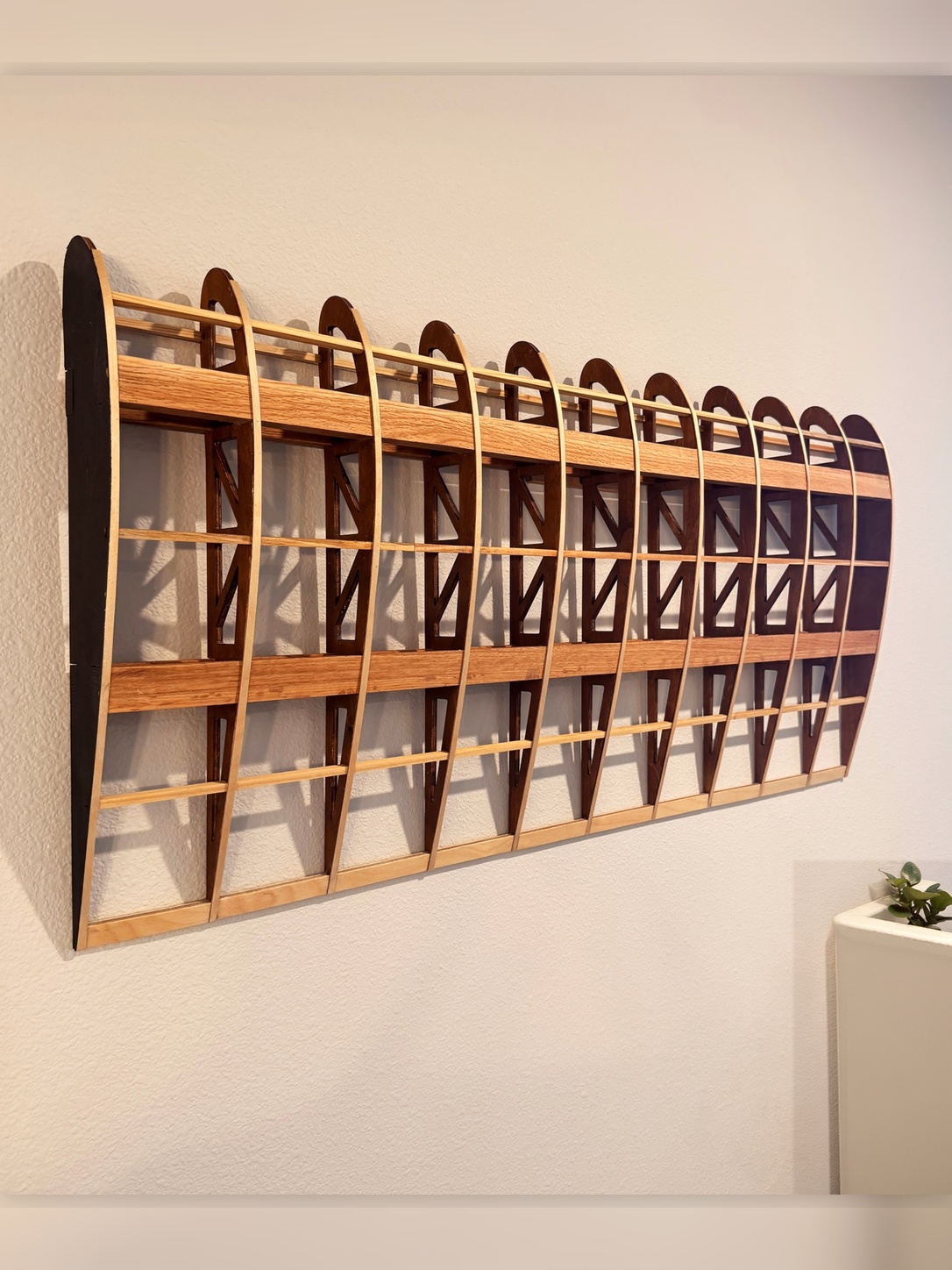
Flightline draws from the aircraft’s visible construction language: ribs, spars, wood structure, and the purposeful beauty found inside early aircraft wings. Each piece is designed to reflect the same balance of strength, lightness, and structural clarity found in early aircraft.
What set the Fokker D.VII apart was its wing. Rather than relying on the maze of external bracing wires common to many World War I aircraft, it used a thick-section wing built around a rib and spar system to help carry load, hold shape, and reduce drag. That same idea of structure made visible is echoed in every Flightline piece.
- Introduced near the end of World War I, the Fokker D.VII represented a major step forward in fighter aircraft design.
- Designed by Reinhold Platz, it was admired for its strength, handling, and performance in combat.
- Its reputation was so significant that the Armistice specifically required Germany to surrender all Fokker D.VII aircraft to the Allies.
- Its wing used internal ribs, spars, and plywood structure to create strength and shape from within.
- Flightline carries that same exposed structural logic into functional furniture.